---
title: Small Batch, Big Difference
description: Small-batch, limited-ingredient pet food isn't just a selling point for customers. It's a structural advantage for the franchisees building their business around it.
image: https://petwantsfranchise.com/hubfs/4600%20Roswell%20Rd_20260221-101.jpg
---
[](https://petwantsfranchise.com/)
- [Business Model](https://petwantsfranchise.com/business-model)
- [Why Pet Wants](https://petwantsfranchise.com/why-pet-wants)
- [Investment](https://petwantsfranchise.com/investment)
- [Process](https://petwantsfranchise.com/process)
- [Resources](https://petwantsfranchise.com/resources)
- [FAQ](https://petwantsfranchise.com/pet-wants-faq)
[Schedule A Call](https://cta-service-cms2.hubspot.com/web-interactives/public/v1/track/click?encryptedPayload=AVxigLIMg5T4orIaBvNMCqubHTczCAUBVoeYVZhEuLMxAom7Au10S7EbISQX4TLakbqY8fddTLZiDaWvMP%2Fx66uKvPbShqNc9sPYGZliXy7iZscsChVJZ%2FJ24Edk2DKDxyrDXk8s5raewVr0EmAlMAZI5FhkdHg%2BQ9D89qTiLDSynCJaoQcSwURkBrZ%2BqVFi2UIJsg%3D%3D&portalId=44685007)
[](https://petwantsfranchise.com/)
- [Business Model](https://petwantsfranchise.com/business-model)
- [Why Pet Wants](https://petwantsfranchise.com/why-pet-wants)
- [Investment](https://petwantsfranchise.com/investment)
- [Process](https://petwantsfranchise.com/process)
- [Resources](https://petwantsfranchise.com/resources)
- [FAQ](https://petwantsfranchise.com/pet-wants-faq)
[Schedule A Call](https://cta-service-cms2.hubspot.com/web-interactives/public/v1/track/click?encryptedPayload=AVxigLIMg5T4orIaBvNMCqubHTczCAUBVoeYVZhEuLMxAom7Au10S7EbISQX4TLakbqY8fddTLZiDaWvMP%2Fx66uKvPbShqNc9sPYGZliXy7iZscsChVJZ%2FJ24Edk2DKDxyrDXk8s5raewVr0EmAlMAZI5FhkdHg%2BQ9D89qTiLDSynCJaoQcSwURkBrZ%2BqVFi2UIJsg%3D%3D&portalId=44685007)
# Small Batch, Big Difference
- September 14 2026
Small-batch pet food gets talked about as a product story: fresher ingredients, better nutrition, a formula pet parents feel good about. That's true and it matters, but for someone evaluating Pet Wants as a franchise opportunity, there's a second story underneath it, and it's just as important: **small-batch production is a business advantage, not just a marketing angle**.
Let’s start with where the industry is heading:
The pet food market is splitting into two camps: premium and budget, with the middle ground shrinking fast. Consumers who choose premium are looking for real health benefits, easy digestion, longevity, overall wellness, and they're paying close attention to ingredient quality. Analysts expect the divide to keep shaping the industry and brands that don't clearly choose a side risk getting squeezed out of both.
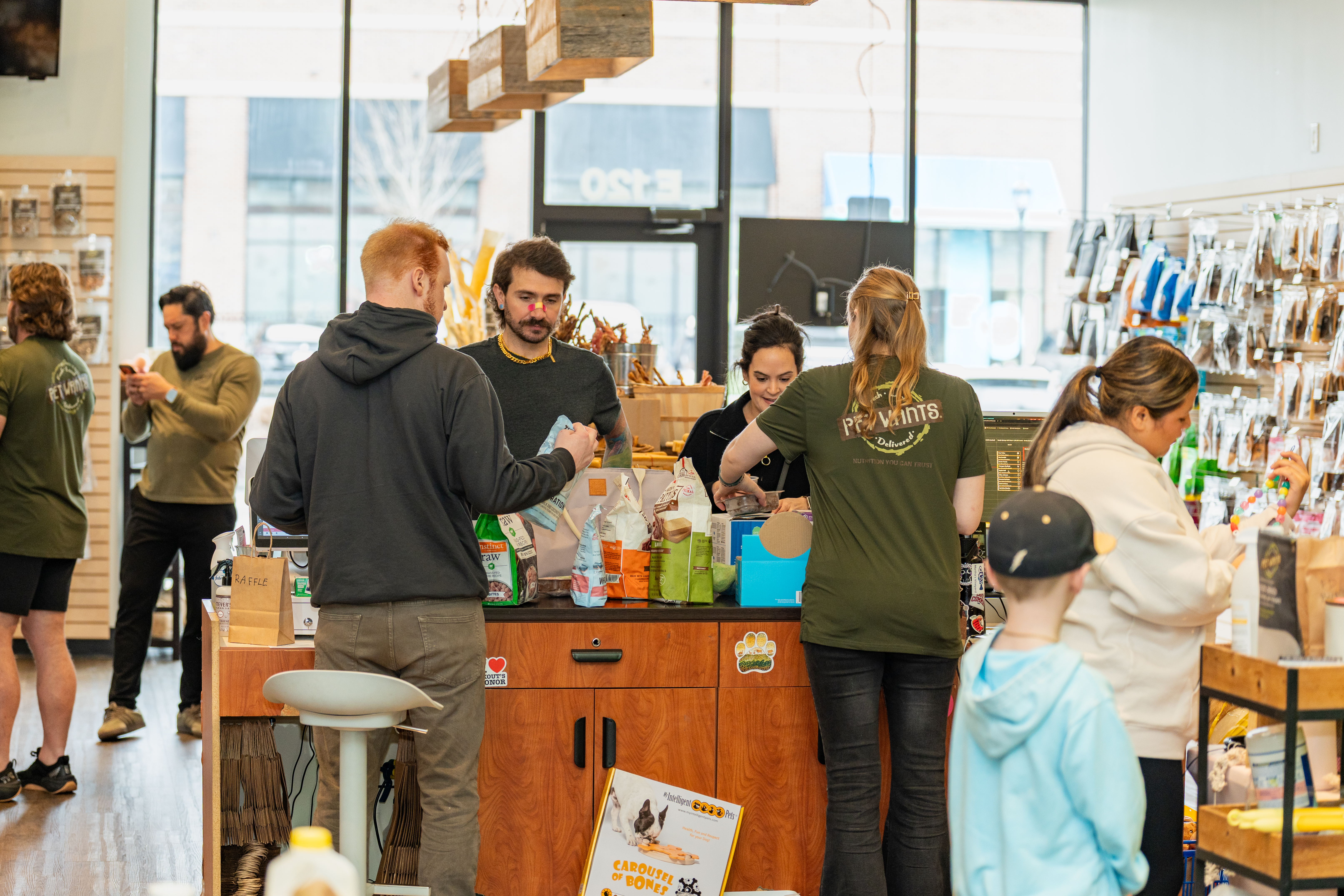
That's exactly the kind of environment where a small-batch model wins. Freshpet, General Mills, and Nestlé Purina have all expanded into fresh pet food recently, which tells you two things: fresh, minimally processed food is no longer a niche category, and mass-market brands know it. What those bigger players can't replicate as easily is what Pet Wants franchisees offer locally: a **direct, personal relationship between the business and the customer**, built on a fresh, high-quality product made in small batches rather than mass-produced at scale.
For franchisees, that difference shows up in a few concrete ways:
- - 1. Pet Wants earns the kind of trust that's harder for big brands to buy. Pet owners increasingly want to know where their pet's food comes from and how it's made. A small-batch, local model gives franchisees an answer that a national supply chain can't easily match.
- 2. Customer loyalty supports the pricing. Premium pet food buyers aren't just tolerating higher prices, they're actively seeking out quality and willing to pay for it. That gives small-batch operators room to compete on value instead of racing to the bottom on price.
- 3. Pet Wants has a defensible position against the middle. As the middle-of-the-market segment shrinks, businesses that clearly stand for something (quality, freshness, ingredient transparency) are better positioned than brands stuck trying to appeal to everyone.
None of this replaces the customer-facing story. *Pet parents still care, deeply, about feeding their animals well, and that emotional driver is what brings them through the door in the first place*. But for someone evaluating Pet Wants as an **investment**, the small-batch model isn't just a product they'll sell. It's a structural fit with where the industry is headed and a real point of differentiation in a category where more big players are trying to look small.
Pet Wants Franchise Information
Share this Post
- [Twitter](https://twitter.com/)
- [Facebook](https://www.facebook.com/)
- [Instagram](https://www.instagram.com/)
[](https://petwantsfranchise.com/)
##### Subscribe To Stay Up To Date
#### **Get In Touch**
- [Call Us (877) 553-4064](tel:18775534064)
- [Send A Message](https://petwantsfranchise.com/contact)
- [Schedule A Call](https://petwantsfranchise.com/schedule-a-call)
#### **Quick Links**
- [Business Model](https://petwantsfranchise.com/business-model)
- [Why Pet Wants](https://petwantsfranchise.com/why-pet-wants)
- [Investment](https://petwantsfranchise.com/investment)
- [Process](https://petwantsfranchise.com/process)
#### **Resources**
- [Blog](https://44685007.hs-sites.com/in-the-news)
- [Videos](https://www.youtube.com/channel/UCD3RNeS2yg02mpLBG2K8QRg)
- [Franchisee Brochure](https://petwantsfranchise.com/franchise-brochure-download)
- [Privacy Policy](https://petwantsfranchise.com/privacy-terms)
This web site and the franchise sales information on this site do not constitute an offer to sell a franchise. The offer of a franchise can only be made through the delivery of a franchise disclosure document. Certain states require that we register the franchise disclosure document in those states. The communications on this web site are not directed by us to the residents of any of those states. Moreover, we will not offer or sell franchises in those states until we have registered the franchise (or obtained an applicable exemption from registration) and delivered the franchise disclosure document to the prospective franchisee in compliance with applicable law.
© 2026 All Rights Reserved. [Website By Nextiny.](https://www.nextinymarketing.com/)
```json
{
"@context" : "https://schema.org",
"@type" : "BlogPosting",
"author" : {
"@type" : "Person",
"name" : "Pet Wants Franchise",
"url" : "https://petwantsfranchise.com/in-the-news/author/pet-wants-franchise"
},
"dateModified" : "2026-09-14T18:30:00.320Z",
"datePublished" : "2026-09-14T18:30:00.000Z",
"headline" : "Small Batch, Big Difference",
"image" : [ "https://petwantsfranchise.com/hubfs/4600%20Roswell%20Rd_20260221-101.jpg" ],
"mainEntityOfPage" : {
"@id" : "https://petwantsfranchise.com/in-the-news/small-batch-big-difference",
"@type" : "WebPage"
},
"publisher" : {
"@type" : "Organization",
"logo" : {
"@type" : "ImageObject"
}
}
}
```